DO YOU HAVE EXCESSIVE EAR WAX?
ARE YOUR EARS FEELING BLOCKED?
DO YOU FIND IT HARD TO HEAR?
ARE YOUR EARS ITCHY?
CAN YOU HEAR STRANGE SOUNDS E.G. RINGING?
WE NOW OFFER MICROSUCTION EAR WAX REMOVAL
A SAFE, GENTLE & EFFECTIVE WAY TO REMOVE EAR WAX
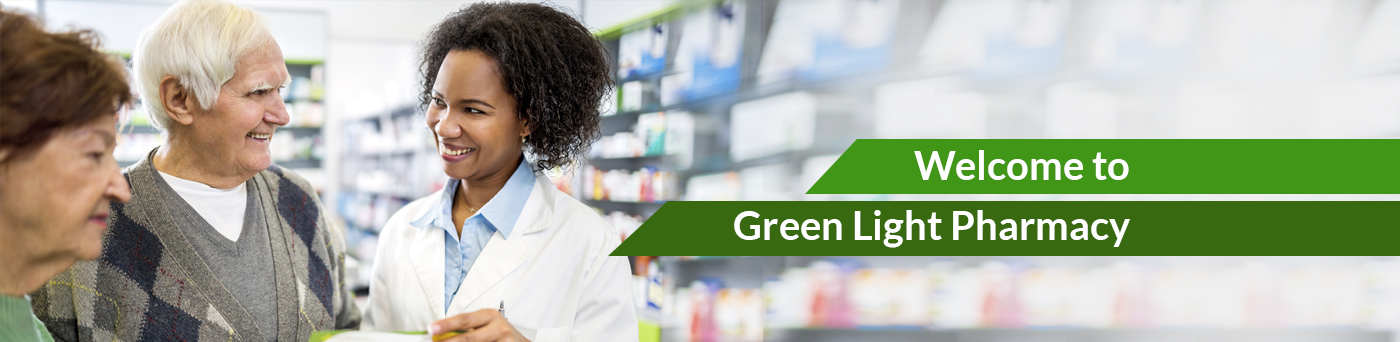
We are a small group of Independent NHS Community Pharmacies serving the people in Borehamwood, Tower Hamlets, Hampstead, City of Westminster, Haringey, Harrow, Camden Town, Hammersmith and Fulham, Hackney, London and Brent.
The Green Light Group consist of 17 pharmacy branches across London - Bromley by Bow (open late night, Sundays & 365 days per year) – E3 ; Euston & Mornington Crescent – NW1 ; Cricklewood – NW2 ; Shepherds Bush – W12 ; Stepney – E1 ; Green Lanes – N4 ; Stamford Hill (3 branches - Oldhilll, Broadway, Dunsmure) – N16 ; Victoria – SW1 ; Harrow – HA1 ; Borehamwood – WD6; Swiss Cottage – NW3 ; Hodgetts – NW8 ; Angel - N1 and Whitechapel - E1.
The Green Light Group also comprises other healthcare departments. Greenlight@GP recruits, employs, trains and supports pharmacists & technicians working in General Practice to deliver high quality patient services. GL Campus provides Education and Training Practice Pharmacy initiatives to organizations including the Prime Ministers Challenge Fund Hubs, Community Education Provider Networks, Local Education and Training Boards and Higher Education Institutes in London. GL SupplyChain is our wholesaling division, distributing medicines & goods to many different countries around the world.
At Green Light Pharmacy we provide a range of NHS & Private services. The Green Light experience begins the moment you walk in the door. Unlike many pharmacies the space is open, clear of retail clutter, the pharmacist is visible and accessible, not hidden behind a screen or elevated in an area removed from the customer. A Green Light pharmacist is available and approachable, willing and able to answer questions about the health and the wellbeing of you and your family. There are consulting areas where you and the pharmacist can move to if you would like to discuss any concerns privately.
Get reminders so you don't order your prescriptions too late
Order wherever you are 24/7
No need to get our engaged tone, we keep you updated
Chat to our Pharmacist
Hammersmith and Fulham
Greater London
W12 7JD